Showing posts with label . bangalore birders. Show all posts

Tuesday, February 8, 2011

The pigeon saga - day 10

The greys are now much more visible than the yellows


The mother continues to try to sit on them


Monday, November 22, 2010

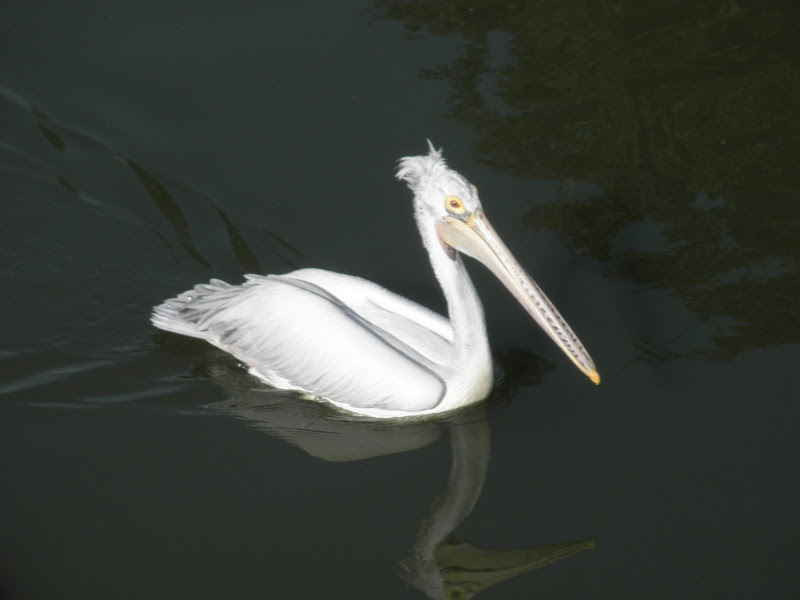
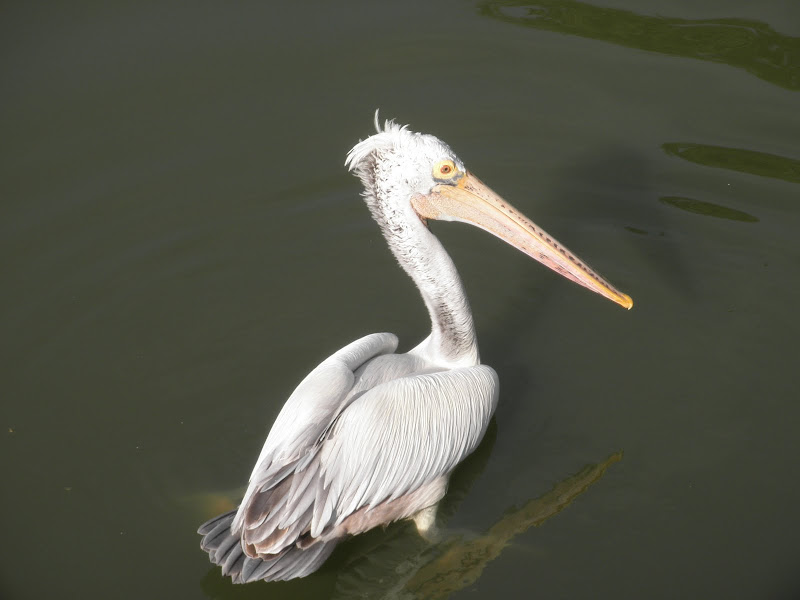
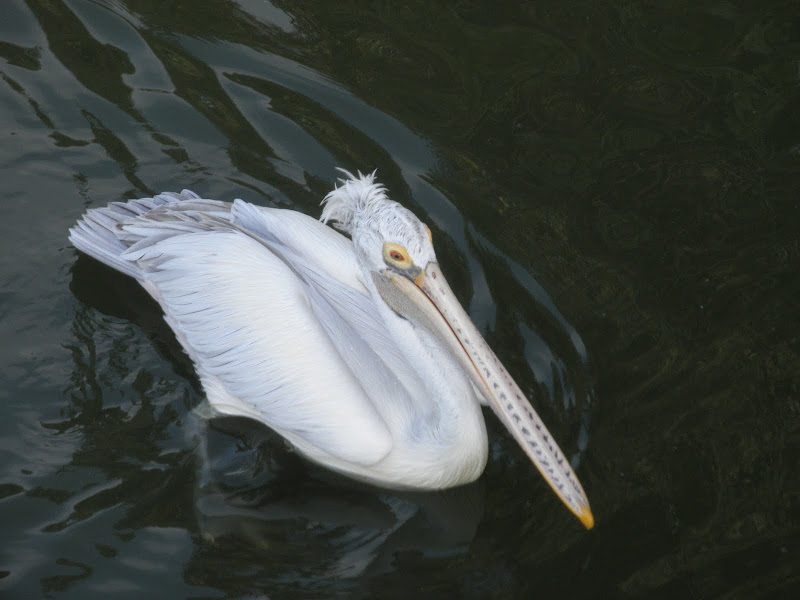
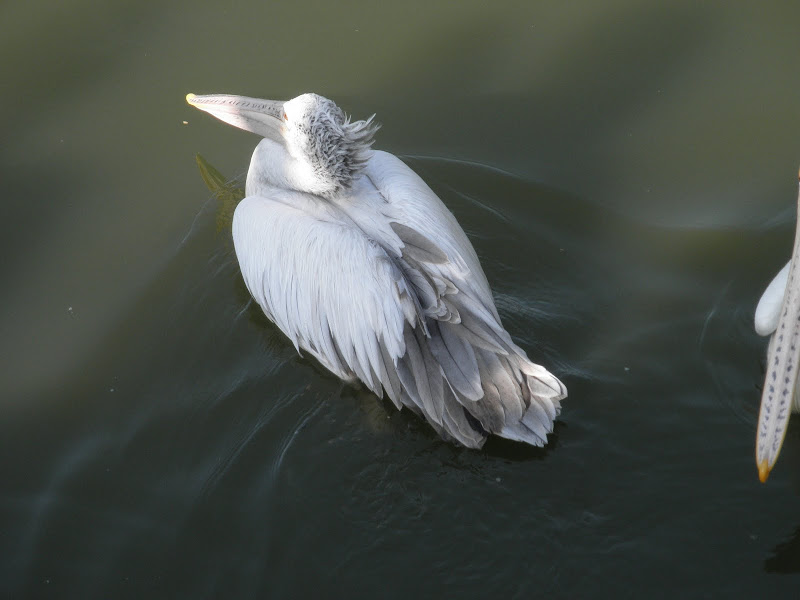
Spot billed pelican (grey pelican)

The pelicans are here! Several of them have been seen in various lakes across the city.. these are from Lalbagh, observed during the 2nd Sunday Bangalore Birders outing in November.


Sunday, November 21, 2010

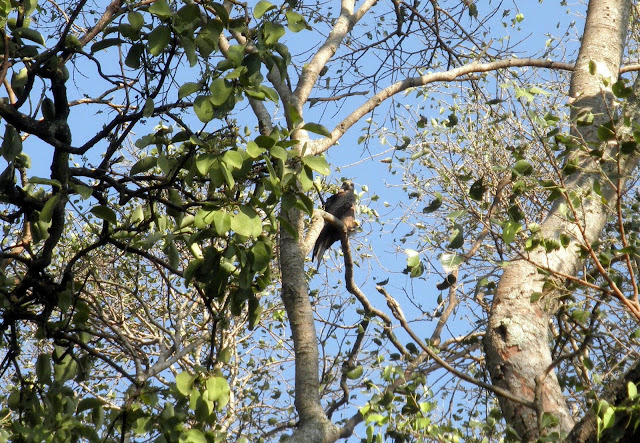
Kites


Not a great shot of the magnificent kite, but its the only one i have at the moment. Since the outing with the Bangalore Birding community I seem to be noticing an inordinate number of kites all over the city. They seem to be everywhere.. circling above parks, office buildings and homes. They are mostly all black kites, though every once in a while I do see the brahminy kite as well. Unlike the other common birds, they never seem to flutter their wings, but always have outstretched in the most strong and regal manner possible, gliding, circling, looking; thus living up to their classification as birds of prey.

Saturday, November 20, 2010

Miscellaneous

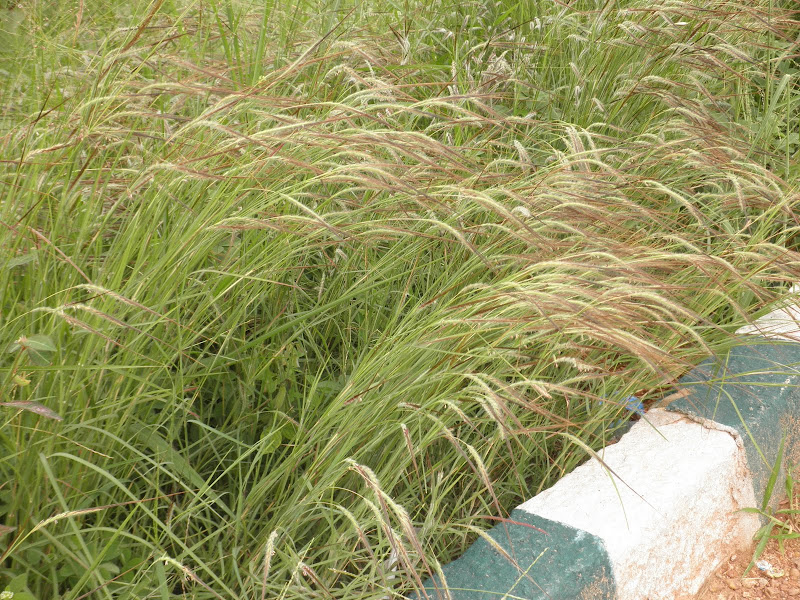
It probably is time I got myself a copy of the recently released Book on Grasses.

\


Friday, November 19, 2010

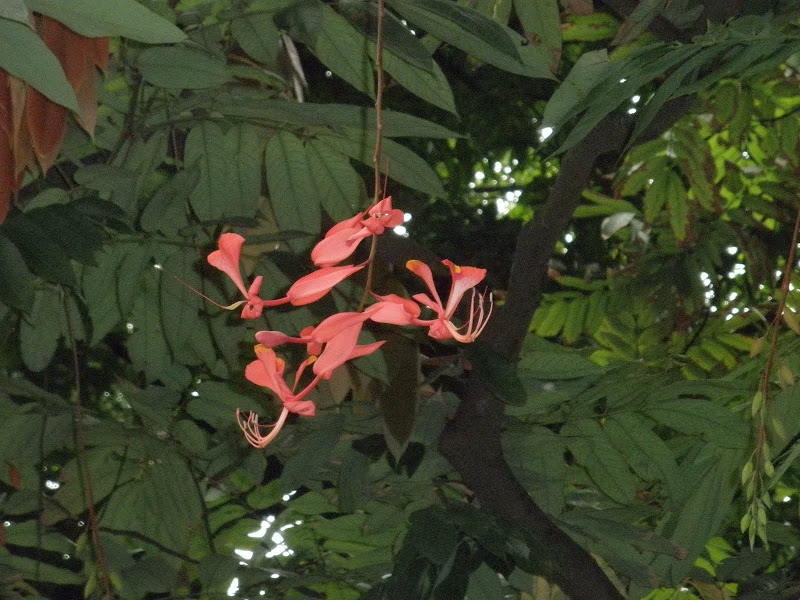
Pride of burma (amherstia nobilis)


The dried up new leaves seemed more dramatic than the chandelier like inflorescence of the flowers.

Thursday, November 18, 2010

October's 2nd Sunday Lalbagh outing with the Bangalore Birders

Many birds were seen .. the ubiquitous common and jungle crows and the mynas; the koel, pariah kite and the brahminy kite, the purple rumped sunbirds, drongos, parakeets and many more.

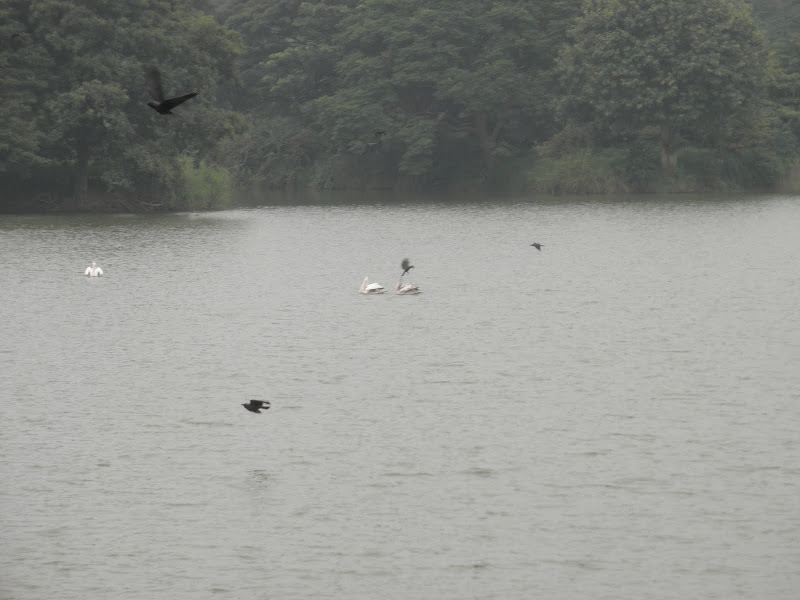
The water birds (migratory) were easier to photograph.. there were several pelicans, though at a distance


A grey heron in the pond

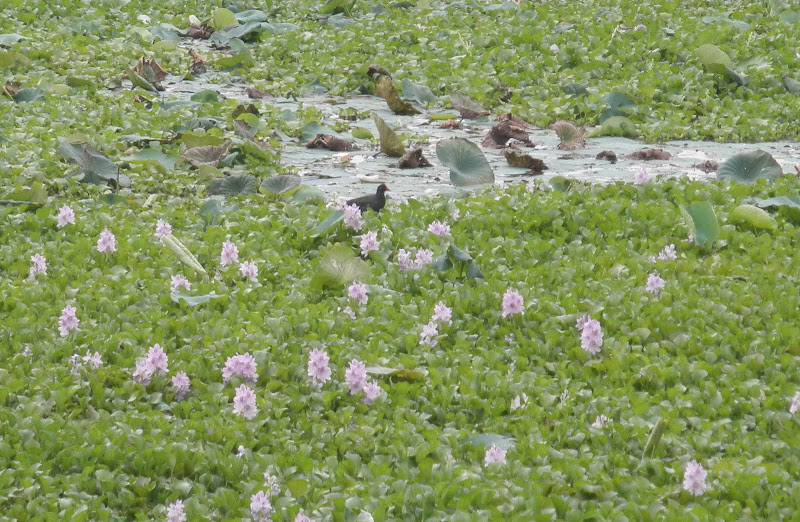
Notice the red moor hen in the middle of the picture below?

One of the pelicans swam a little closer


A darter that went in and out of the water


And the cormorants appeared to be drying themselves

Wednesday, November 17, 2010

Elephant apple


The elephant apple tree at lalbagh is now green, unlike the last time when i saw it.


Tuesday, November 16, 2010

The Bottle brush tree (callistemon viminalis) & the sunbird


The beautiful bottle brush tree (callistemon viminalis) was in full bloom in Lalbagh last month. And as a special treat we were lucky enough to see many little sunbirds (the purple rumped kind i was told, though all i saw was its yellow underside) flitting all around. Quite a sight!

Monday, November 15, 2010

Trees at Lalbagh - Gymnosperms

As i wandered through Lalbagh Gardens I found a stretch of trees that did not look like they were from these parts, or from this world at all. Standing amidst them, I felt like i was in hobbit-town.
What are these trees? i asked someone. "Gymnosperms".. "early trees" came the answer.
To those of you in North America, they may be a common enough site; but sitting here in the tropics, these trees seem right out of a magic book.

Here is what wiki has to say about them:

The gymnosperms are a group of seed-bearing plants that includes conifers, cycads, Ginkgo and Gnetales. The term "gymnosperm" comes from the Greek word gymnospermos, meaning "naked seeds", after the unenclosed condition of their seeds (called ovules in their unfertilized state). Their naked condition stands in contrast to the seeds or ovules of flowering plants (angiosperms) which are enclosed during pollination.
The gymnosperms and angiosperms together comprise the spermatophytes or seed plants. By far the largest group of living gymnosperms are the conifers (pines, cypresses, and relatives), followed by cycads, Gnetales (Gnetum, Ephedra and Welwitschia), and Ginkgo (a single living species).

The mystic Cupressus lusitanica/ Cupressus lindleyi klotzsch (mexican cypress/cedar of goa)


And others, equally enchanting...


Sunday, November 14, 2010

Fire ants

The October bird watching outing at Lalbagh introduced me not just to many amazing birds but also to the diligent fire ants. There was a huge colony of ants at work over a trelis, binding the leaves together (did you know that many ants gather together at the ends of the leaf to make it bend backwards and then secure it to the other end using the sticky substance that they secrete), making nests and gathering food. I wondered where in that humungous maze of leaf-nests the queen ant rested, while the sterile workers (all female) went about their jobs. Worth many more hours of observation ...